


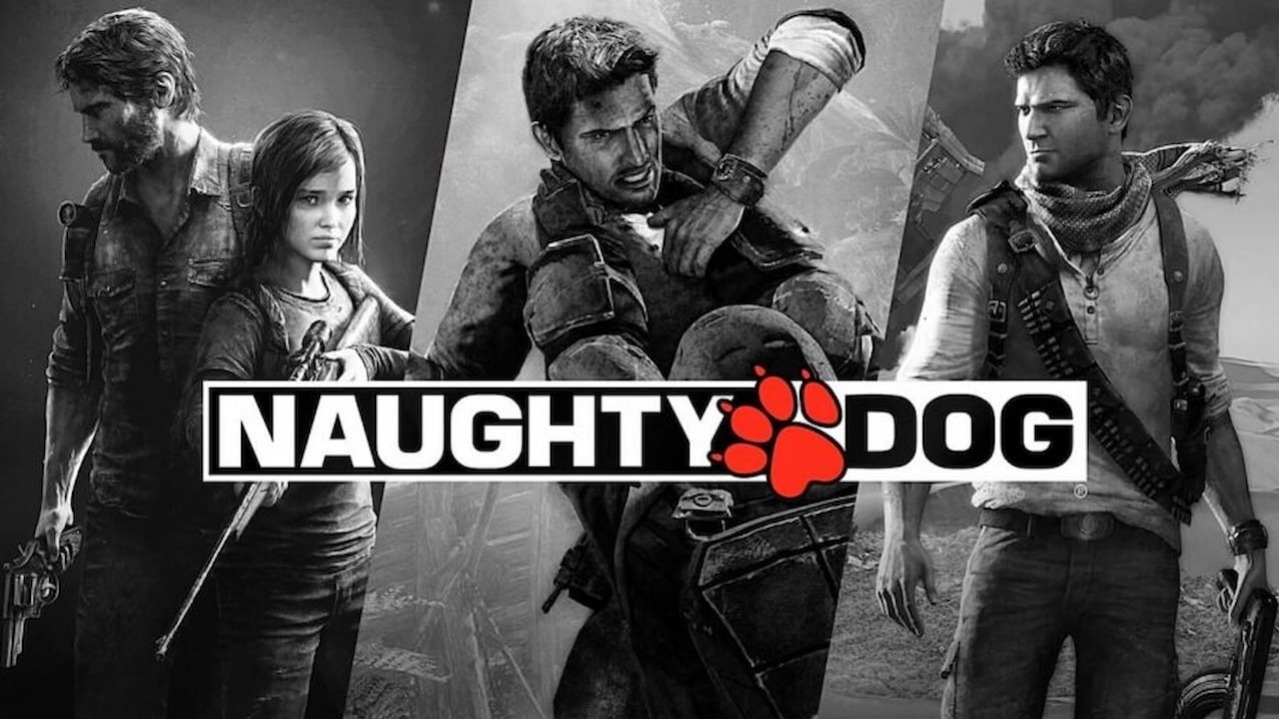
Sony shows impatience with Naughty Dog's silence
Budget management and granting of creative autonomy have become the center of a heated debate among platform enthusiasts following behind-the-scenes revelations about the Japanese giant's dynamics with its partner studios. Journalist Jason Schreier from the Bloomberg website brought to light important operational details by revealing that Bungie tried to formally start the development of Destiny 3 in 2024, but the proposal was vetoed by upper management due to severe budget restrictions. Subtly, it is noticed that the parent company adopts disproportionately different standards to manage its teams, stifling brands that deliver recurring and predictable revenues while funding risky projects without any guarantee of a short-term financial return.
Public dissatisfaction increased considerably after it was confirmed that live support for their main space shooter game was significantly shortened to allow developers to focus their efforts on producing Marathon. Players discovered that the current intellectual property was cannibalized for the sake of a new venture, receiving the news that no direct sequel is on the foreseeable horizon. In this scenario, several fans began to question Sony's criteria on social media, pointing out that other in-house developers go over half a decade without delivering a new software and seem not to suffer any kind of pressure or administrative sanction from management.
“They definitely have a problem with this.” — asserted Jason Schreier in response to a user who suggested that the console owner's board didn't care about the slow production pace of their elite studios.
The journalist made it clear that the financial estimate of three hundred million dollars spent on a single, single-player-focused title was raised by a follower and not by his sources, limiting himself to confirming that the leadership of PlayStation Studios is bothered by Naughty Dog's long production hiatus. Subtly, it is noted that the untouchable aura surrounding the creators of cinematic adventures has begun to crumble in corporate corridors, revealing that the prestige garnered in the past with Game of the Year awards no longer serves as an infinite blank check in an industry suffocated by astronomical production costs.
This breach of expectation sheds light on the current leadership crisis affecting the Asian brand's ecosystem, where tolerance for delays seems to have reached its maximum limit. Subtly, there is a critique that the company has trapped itself in an operational snare by excessively inflating the technical scope of its linear games, transforming the development cycle into a slow, nearly decade-long process that now threatens the very stability of the hardware release schedule. Demanding agility now, after years of indulging directors with flexible deadlines, demonstrates the desperation of an administration that does not know how to supply the market without breaking the company's bank.

Comments
Log in to your account or create one for free on MG Community to participate in comments.